Discover the Key Services Offered by a Professional Arborist for Healthy Trees
A professional arborist delivers a variety of services essential for ensuring tree wellness and beautifying outdoor spaces. Their expertise in tree pruning encourages growth and reduces risks. They also diagnose and manage tree diseases, ensuring tailored treatment plans are established - Florence Arborist. Additionally, arborists manage secure tree removal and aid in planting and transplanting. Their role is even more vital during critical situations like storm damage. Being aware of these services can profoundly influence one’s approach to tree care
The Value of Tree Pruning
Although many homeowners may overlook the necessity of tree pruning, it is crucial in upholding the vitality and aesthetics of trees. Proper pruning aids trees in developing a robust structure, taking away dead or sick branches that could pose risks. By judiciously pruning limbs, the tree can concentrate its resources on healthy growth, fostering superior air movement and sunlight penetration. Additionally, pruning can improve the look of the tree, forming it for visual beauty in residential landscapes.
Moreover, regular pruning can avoid possible dangers, such as dropped branches during storms or high winds, which could cause property destruction or injure individuals. It also aids in the prevention of pest infestations and diseases by enhancing the tree's hardiness. Ultimately, hiring professional arborists for tree pruning guarantees that trees remain healthy, safe, and visually pleasing, adding significantly to the overall beauty and value of the property.
Identifying and Treating Tree Diseases
Tree health can be considerably affected by a range of diseases that may not always be readily apparent. A professional arborist serves a vital function in detecting these problems soon, utilizing a combination of visual inspections and assessment instruments. Symptoms such as discolored leaves, wilting, or unusual growth patterns often signal underlying health issues. Arborists assess these symptoms to determine exact ailments, whether fungal, bacterial, or viral in nature.
Following the diagnosis, the professional designs a bespoke care program. The plan often involves focused interventions, such as chemical controls, and maintenance techniques that improve the tree's strength. Furthermore, correct hydration, the application of mulch, and fertilization can considerably improve tree health and defense against pathogens. Regular monitoring and further interventions are critical to successful control, ensuring the longevity and health of the trees. When dealing with tree diseases promptly, tree specialists ensure the environmental value and aesthetic appeal that healthy trees offer.
Best Practices for Tree Felling
Safe tree extraction techniques are essential for guaranteeing the safety of the crew and limiting harm to surrounding property. Qualified professionals utilize a detailed analysis of the tree's condition, its location, and the surrounding environment prior to starting the extraction. Professionals employ dedicated machinery, such as chainsaws and rigging gear, to ensure accurate cutting and manage the tree during its descent.
A well-planned removal strategy involves spotting possible dangers, such as structures or overhead wires, which can impact the safety of the operation. Arborists often use a technique called "sectional dismantling," in which the tree is removed in small sections, reducing the risk of falling debris.
Moreover, arborists adhere to local rules and standards to guarantee compliance and environmental stewardship. Once the tree is down, proper cleanup and disposal of the tree debris, including stump grinding, help improve the overall security and visual appeal of the area.
Tree Planting and Relocation
Installing and relocating trees requires careful consideration of choosing the location and installation methods to ensure future vitality and growth. An appropriate setting greatly affects a tree's development, whereas good planting practices reduce trauma and promote successful establishment. Professionals stress these considerations as vital for boosting the vigor and longevity of trees in various settings.
Proper Site Selection

Selecting an appropriate site for planting or transplanting trees is essential for their long-term health and growth. Factors such as soil quality, sunlight exposure, and water runoff must be thoroughly assessed. Tree care professionals examine the specific site conditions, making sure that the chosen spot offers sufficient nourishment and support for the tree species. Furthermore, the nearness to established constructions and other plants is critical to stop the fight for nutrients and steer clear of future injury. Tree specialists also factor in the tree’s full-grown dimensions and root structure, ensuring sufficient space for growth. By conducting a thorough site analysis, arborists enable clients choose wisely that encourage strong, successful trees, ultimately enhancing the landscape’s beauty and environmental worth.
Best Practices for Planting
When the planting spot is meticulously reviewed and picked, the next step involves employing ideal planting techniques for trees. Preparing the planting hole correctly is crucial; it should be twice the width of the root ball and no deeper than the root system itself. It is necessary to set the tree in the hole so that the top of the root ball is level with the adjacent ground. Refill using the original dirt, ensuring there are no air pockets, and irrigate completely to help the roots settle in initially. Applying mulch at the bottom helps retain moisture and inhibit unwanted growth. Florence Arborist. If moving mature plants, it’s important to minimize root disturbance and relocate the plant in its resting phase for the best chance of survival. Following these techniques promotes robust development and long life
Emergency Response to Storm Damage
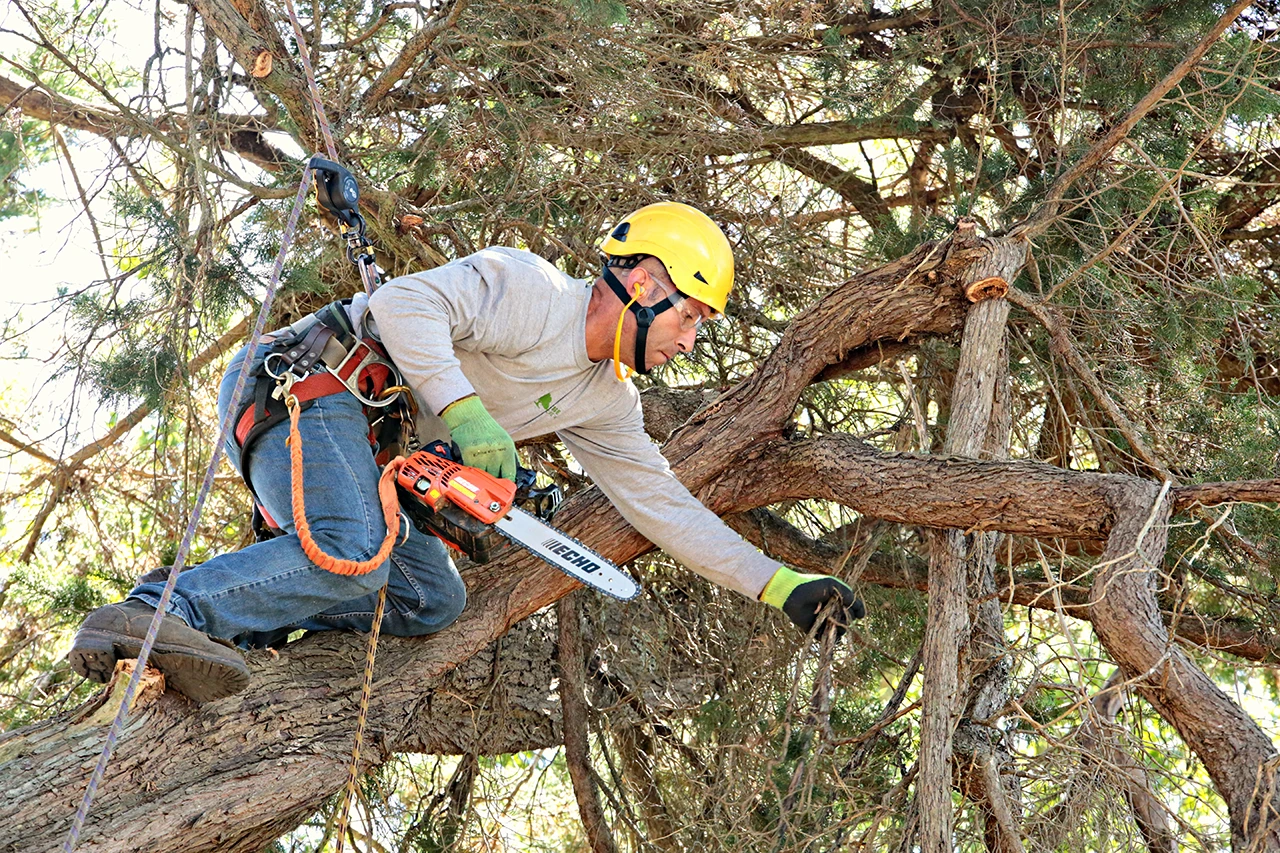
After powerful weather events occur, the resultant conditions may leave trees in perilous conditions, endangering structures and security. Trained arborists are essential in immediate action, assessing trees harmed by the storm to gauge their soundness and condition. Their knowledge enables them to determine which trees are recoverable and which pose imminent hazards that must be removed.
Using professional equipment, tree experts are able to securely trim fractured limbs and haul away refuse, reducing additional harm to adjacent property. They also provide valuable advice on preventive measures, such as choosing sturdy types of trees for subsequent landscaping.
In addition to immediate response, arborists help homeowners understand the future impacts resulting from the weather, giving counsel on how to repair and revive. By acting swiftly and efficiently, professional arborists not only protect property but also aid in the recovery of the local environment once the tempest has passed.
Nutrient Assistance and Earth Maintenance
Subsequent to storm damage, attention turns to the condition of surviving trees, underscoring the importance of nutritional support and earth maintenance. A qualified tree expert assesses ground quality and tree health to determine precise nutrient requirements. Trees must have key nourishment, such as nitrogen, phosphorus, and potassium, to heal and grow strong following stressful periods.
Ground care is vital to nutrient availability and root development. Experts might advise soil amendments, like organic matter, to boost the ground's composition and the action of microorganisms. The correct pH balance are also checked, as they influence how nutrients are absorbed.
Incorporating mulching techniques can help the soil hold water and keep weeds down, creating an ideal environment for the tree's recuperation. Through the creation of a comprehensive nutrient strategy and using smart soil maintenance methods, arborists guarantee trees recover their vigor, resilience, and total well-being, a factor essential to keeping data the environment stable in the wake of major environmental events.
Common Queries
When Should My Trees Be Checked?
Trees should be evaluated annually for maximum vitality. However, checking them more often could be needed for younger trees, following harsh storms, or if distress or illness becomes apparent.
Which Credentials Should I Seek in an Arborist?
When seeking an arborist, one should look for credentials like ISA (the ISA) accreditation, proven track record, proper liability insurance, and a strong reputation locally, ensuring expertise in tree care and safety practices.
Do Arborists Utilize Special Equipment for Tree Care?
Arborists use a range of unique equipment for tree care, like chainsaws, pruning shears, climbing gear, and stump grinders. Every piece of equipment has a distinct function, allowing for proper upkeep, pruning, and tree extraction and boosting total well-being and safety.
What is the Influence of Climate on Tree Health?
Weather conditions greatly impact tree health; heavy rainfall may result in root rot, while dry spells put strain on trees. Very high or low temperatures often result in harm to leaves and branches, which affects growth, durability, and overall vigor of the trees.
Should I handle my own tree maintenance, or Should I Hire a Professional?
Even though a few fundamental tree care duties can be done by people themselves, it's often wise to employ a professional - Florence Arborist. Trained individuals carry specialized equipment and knowledge, to make sure the trees receive the right maintenance needed for peak growth and vitality